 Business License

Our package for Pseudo boehmite
Pseudoboehmite (PB), as a crucial catalyst precursor and functional material, requires proper packaging and storage conditions to maintain its stability and performance. This article provides a detailed guide on packaging standards, storage requirements, and transportation considerations to help users optimize material management and extend product lifespan.
1. Packaging Standards for Pseudoboehmite1.1 Common Packaging Forms
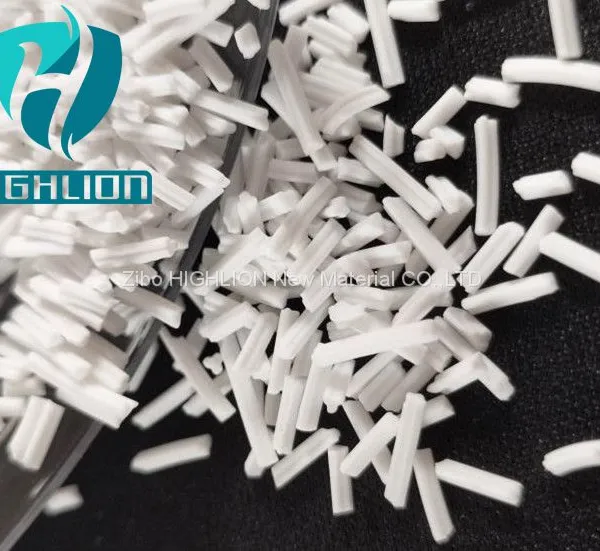
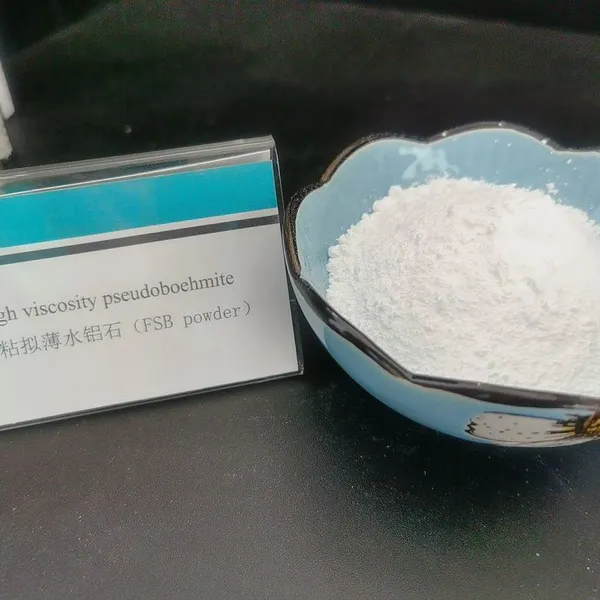
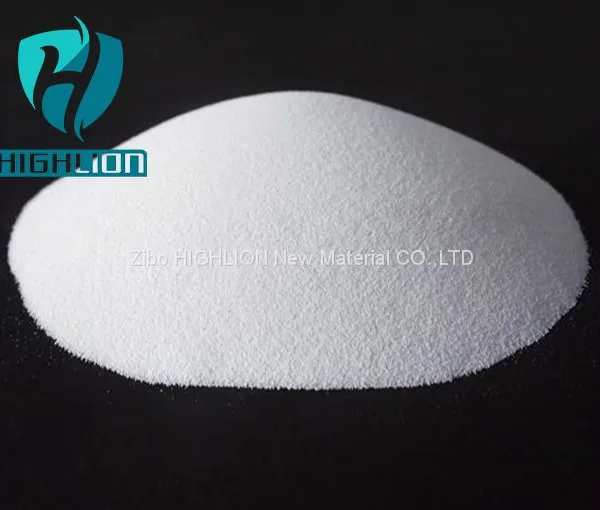
Pseudoboehmite is typically supplied in powder form, with packaging options including:
20 kg/bag (woven plastic bags with polyethylene film lining)
500 kg/bag (bulk FIBC bags for industrial-scale procurement)
Custom packaging
Moisture resistance: Inner PE or aluminum foil layer to prevent moisture absorption and caking.
Pressure resistance: Outer woven bags must have sufficient mechanical strength to avoid damage during transport.
Sealing integrity: Heat-sealed or tightly strapped openings to minimize air exposure.
Packaging should clearly display:
Product name (Pseudoboehmite/PB)
Batch number, production date, and shelf life
Technical parameters (e.g., Al₂O₃ content, surface area, pore volume)
Storage conditions (dry, dark, ventilated)
Safety warnings (e.g., "Avoid dust inhalation")
2. Storage Conditions and Management Recommendations2.1 Environmental Requirements
Temperature: Recommended 10–30°C; high temperatures may degrade peptization performance.
Humidity: Relative humidity <60% to prevent hydrolysis or agglomeration.
Ventilation: Warehouses should be dry and well-ventilated to avoid CO₂ buildup.
Stack no more than 5 layers high to prevent deformation of bottom bags.
Keep away from acids, alkalis, and other corrosive chemicals to avoid contamination.
Use pallets to isolate bags from damp floors.
Unopened packages can be stored for 12–24 months under ideal conditions.
Opened bags should be used within 3 months, with resealing recommended.
After long-term storage, test key parameters (e.g., peptization index, surface area) before use.
3. Transportation Precautions
Moisture and rain protection: Use tarpaulin-covered trucks to prevent water exposure.
Shock and pressure prevention: Handle with care to avoid bag rupture and dust leakage.
Regulatory compliance: Label as "Non-hazardous" per transport regulations (UN number varies by composition).
4. FAQs and SolutionsQ1: What if pseudoboehmite forms lumps?
Minor caking: Sieve or lightly grind before use.
Severe moisture absorption: Dry at 110°C for 2 hours, but peptization may be affected.
Key tests: Discard if surface area drops >15% or peptization index <90%.
Visual cues: Yellowing or hardened lumps indicate potential degradation.
Use vacuum-sealed or nitrogen-flushed bags in desiccators.
5. Conclusion
Proper packaging and storage are critical to preserving pseudoboehmite’s performance. Users should select appropriate packaging formats and adhere strictly to dry, dark, and ventilated conditions. For specialized applications (e.g., high-purity catalysts), consult suppliers for customized packaging solutions to ensure stability from production to end-use.
Keywords: Pseudoboehmite packaging, PB storage, catalyst precursor, moisture protection, transportation guidelines.
Recently Posted
-
Microporous Pseudo-boehmite series Microporous/Mesoporous/Macroporous
July 3, 2025Advantages and Applications of Small-Pore PseudoboehmiteSmall-pore pseudoboehmite (PB), characterized by pore sizes typically belo Read More
 -
Macroporous Pseudo-boehmite series Microporous/Mesoporous/Macroporous
July 3, 2025Advantages and Applications of Macroporous PseudoboehmiteMacroporous pseudoboehmite (PB) exhibits significant advantages in variou Read More
 -
Mesoporous Pseudo-boehmite series Microporous/Mesoporous/Macroporous
July 3, 2025Advantages and Applications of Mesoporous PseudoboehmiteMesoporous pseudoboehmite (PB) is a highly versatile alumina precursor wit Read More
 -
Our package for alumina carriers
July 2, 2025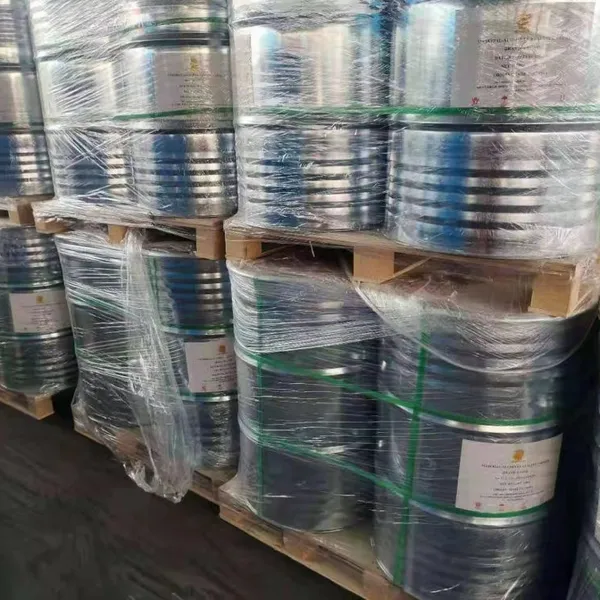 Read More

Contact Us
Recommended Products
-
 1.6-1.8 Sphere Alumina Catalyst Support Gamma Alumina Sphere/ Ball / Oil Drop BallUS$ 6350 - 6500MOQ: 1 Ton
 -
1.6-1.8 Sphere Alumina Catalyst Support Gamma Alumina Sphere/ Ball / Oil Drop BallUS$ 6350 - 6500MOQ: 1 Ton
-
Gamma-Alumina Extruded Trilobular Catalyst SupportUS$ 6300 - 6500MOQ: 1 Ton
-
Alumina Powder as CatalystUS$ 1750 - 2000MOQ: 50 Tons
-
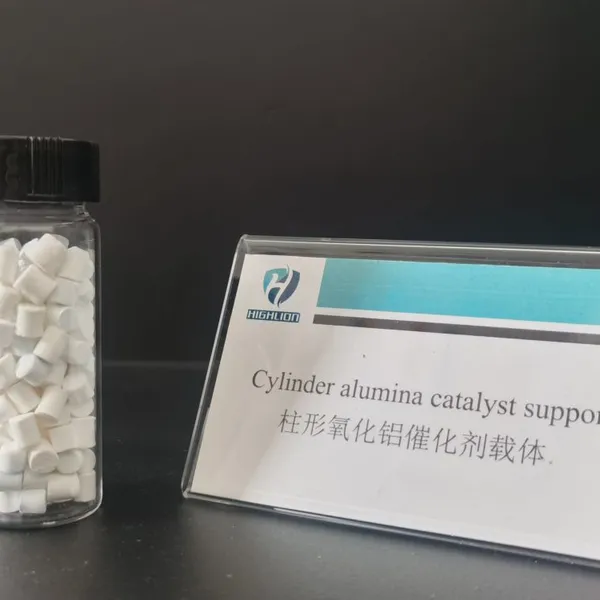
Gamma Alumina Catalyst Carrier/supportUS$ 6500MOQ: 1 Ton
-
Microporous Pseudoboehmite/Small-Pore Pseudo BoehmiteUS$ 1750 - 2000MOQ: 50 Tons
-
HL-CP Type 3-lobe Alumina Catalyst CarrierUS$ 7800 - 8000MOQ: 10 Tons
-
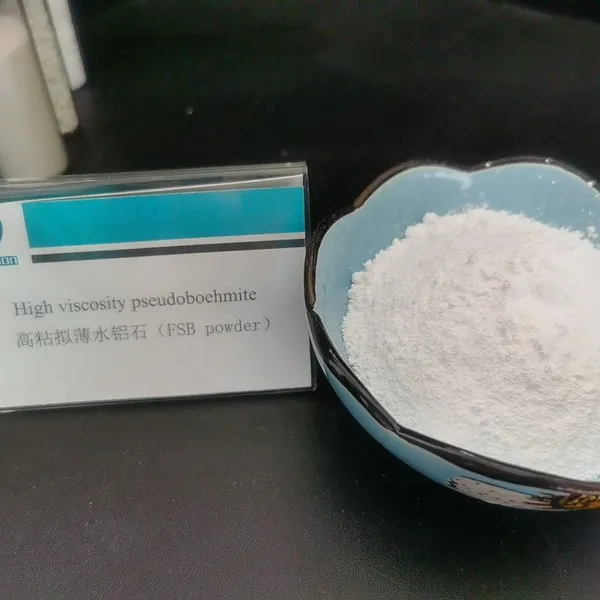
High Viscosity Pseudoboehmite FSB Pseudo BoehmiteUS$ 4000 - 5200MOQ: 50 Tons
-
Alumina Powder for CatalystUS$ 1750 - 2000MOQ: 50 Tons
-
HL-TS Type Dehydrogenation Catalyst CarrierUS$ 6350 - 6500MOQ: 10 Tons