 Business License

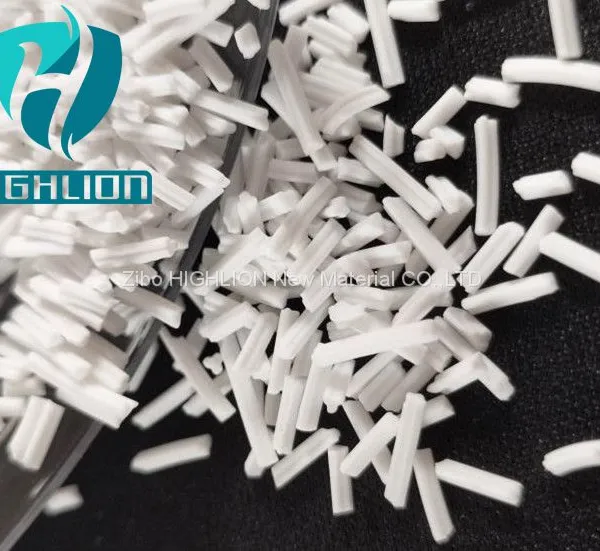
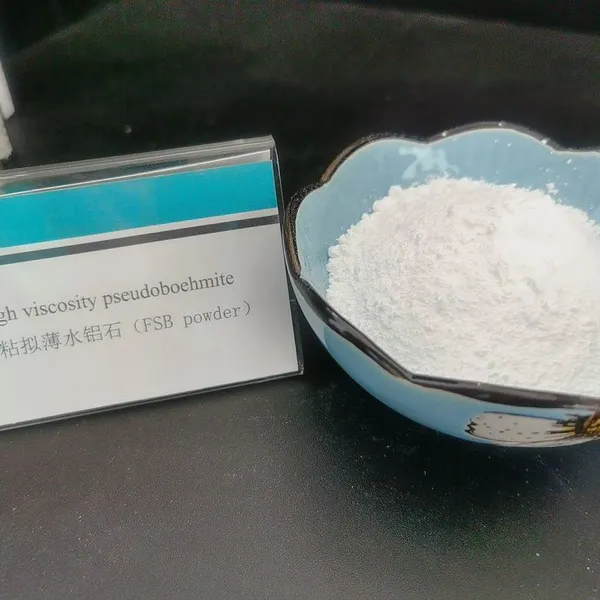
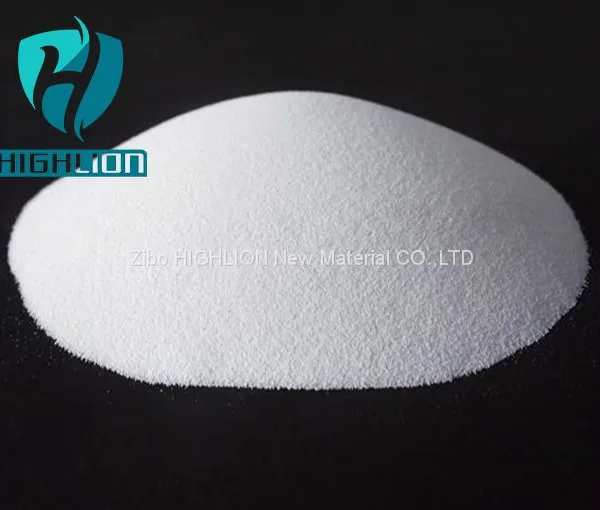
Microporous Pseudo-boehmite series Microporous/Mesoporous/Macroporous
Advantages and Applications of Small-Pore Pseudoboehmite
Small-pore pseudoboehmite (PB), characterized by pore sizes typically below 2 nm, exhibits unique physicochemical properties that make it valuable in specialized applications. Below is a detailed analysis of its advantages and industrial uses, supported by research findings.
I. Key Advantages of Small-Pore Pseudoboehmite
High Surface Area and Adsorption Capacity
Small-pore PB boasts a specific surface area of 200–400 m²/g and a pore volume of 0.4–1.2 mL/g, enabling efficient adsorption of small molecules (e.g., gases, ions).
Its ultra-thin, folded layered structure enhances surface reactivity, making it ideal for catalytic and purification applications.
Tailorable Acidity and Catalytic Activity
Upon calcination (400–700°C), PB transforms into γ-Al₂O₃ with tunable Lewis acid sites, suitable for acid-catalyzed reactions like cracking or isomerization.
The high density of surface hydroxyl groups facilitates strong bonding with active metal components (e.g., Pt, Ni), improving catalyst stability.
Thermal and Chemical Stability
Small-pore PB-derived γ-Al₂O₃ maintains structural integrity up to 1000°C, critical for high-temperature processes such as petroleum refining.
Its low sodium content (<0.1% Na₂O) minimizes sintering and preserves pore structure during thermal treatments.
Eco-Friendly Synthesis
Methods like carbonation of sodium aluminate (using CO₂) or neutralization routes are cost-effective and reduce environmental impact.
II. Major Applications1. Catalysis
Petrochemical Refining: As a binder or carrier in fluid catalytic cracking (FCC) catalysts, small-pore PB enhances mechanical strength and reactant diffusion.
Hydrogenation Catalysts: Loaded with Ni-Mo, it improves heavy oil desulfurization efficiency due to optimized pore networks.
Water Treatment: Adsorbs fluoride ions and organic pollutants (e.g., Congo red) via its high surface area and ion-exchange capacity.
Gas Purification: Used in VOCs abatement (e.g., toluene degradation) and automotive exhaust catalysts.
Drug Delivery: Non-toxic and mesoporous, PB nanoparticles enable controlled release of pharmaceuticals (e.g., simvastatin).
Ceramics and Coatings: Precursor for nano γ-Al₂O₃ in polishing materials, thermal conductive fillers, and high-strength ceramics.
Molecular Sieves: Acts as a template for synthesizing SAPO-44 catalysts in methanol-to-olefin (MTO) reactions, achieving 100% methanol conversion.
Flame Retardants: Incorporated into polymers or coatings for improved thermal resistance.
III. Future Directions
Precision Pore Engineering: AI-assisted synthesis to optimize pore size distribution for targeted applications.
Multifunctional Composites: Hybrid materials with rare-earth dopants (e.g., La/Ce) to enhance catalytic performance.
Conclusion
Small-pore pseudoboehmite’s high surface area, thermal stability, and versatility position it as a critical material in catalysis, environmental science, and advanced manufacturing. Ongoing research focuses on structure refinement and green synthesis to expand its industrial adoption.
Keywords: Small-pore pseudoboehmite, γ-Al₂O₃, Catalysis, Adsorption.
Recently Posted
-
Our package for Pseudo boehmite
July 3, 2025Packaging and Storage Guide for Pseudoboehmite: Key Factors to Ensure Product QualityPseudoboehmite (PB), as a crucial catalyst pr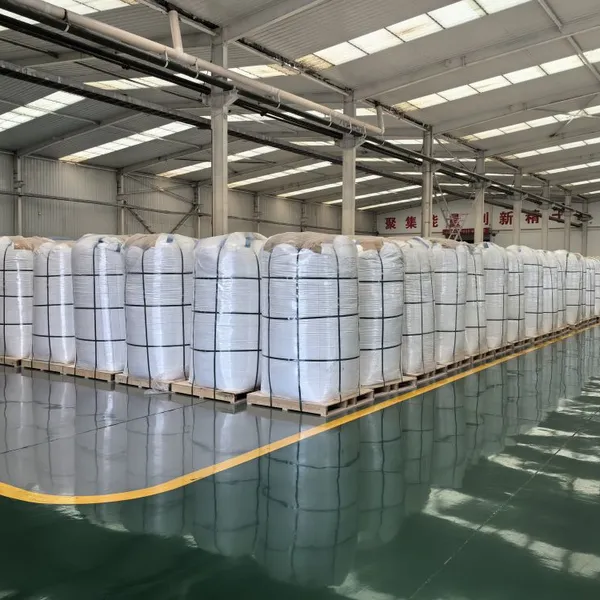 Read More
 -
Macroporous Pseudo-boehmite series Microporous/Mesoporous/Macroporous
July 3, 2025Advantages and Applications of Macroporous PseudoboehmiteMacroporous pseudoboehmite (PB) exhibits significant advantages in variou Read More
 -
Mesoporous Pseudo-boehmite series Microporous/Mesoporous/Macroporous
July 3, 2025Advantages and Applications of Mesoporous PseudoboehmiteMesoporous pseudoboehmite (PB) is a highly versatile alumina precursor wit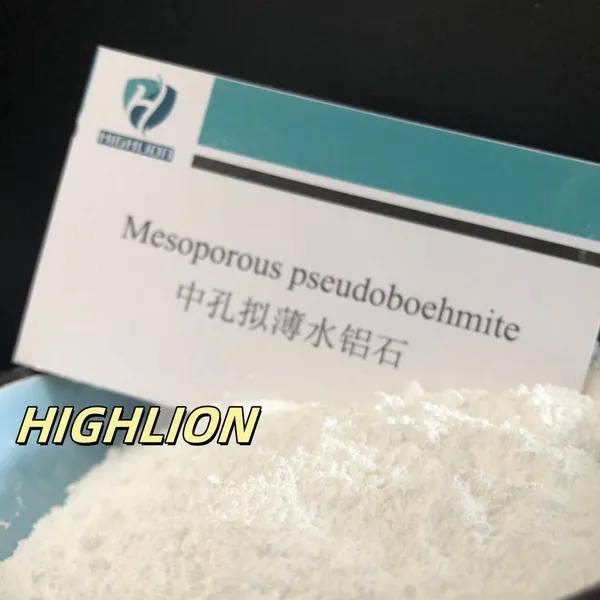 Read More
 -
Our package for alumina carriers
July 2, 2025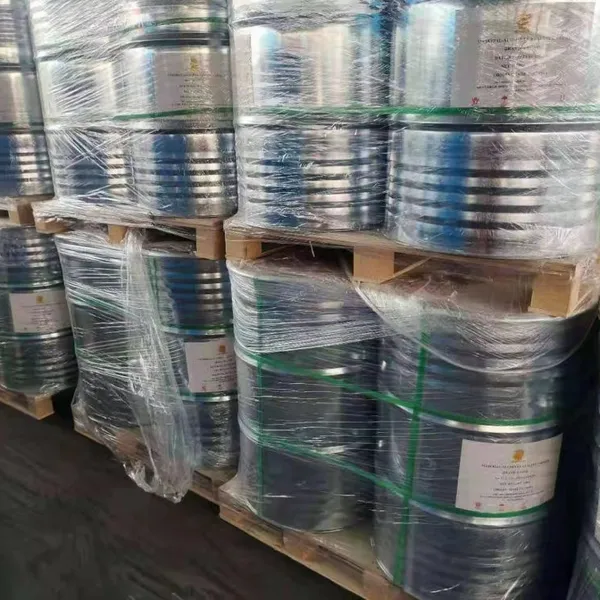 Read More

Contact Us
Recommended Products
-
 1.6-1.8 Sphere Alumina Catalyst Support Gamma Alumina Sphere/ Ball / Oil Drop BallUS$ 6350 - 6500MOQ: 1 Ton
 -
1.6-1.8 Sphere Alumina Catalyst Support Gamma Alumina Sphere/ Ball / Oil Drop BallUS$ 6350 - 6500MOQ: 1 Ton
-
Gamma-Alumina Extruded Trilobular Catalyst SupportUS$ 6300 - 6500MOQ: 1 Ton
-
Alumina Powder as CatalystUS$ 1750 - 2000MOQ: 50 Tons
-
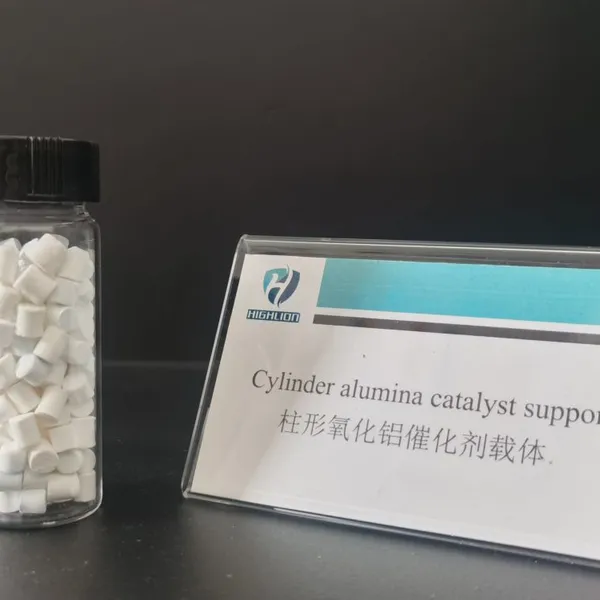
Gamma Alumina Catalyst Carrier/supportUS$ 6500MOQ: 1 Ton
-
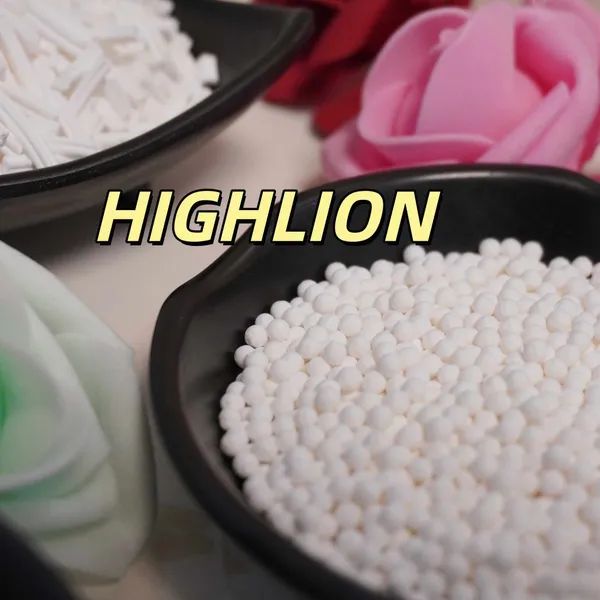
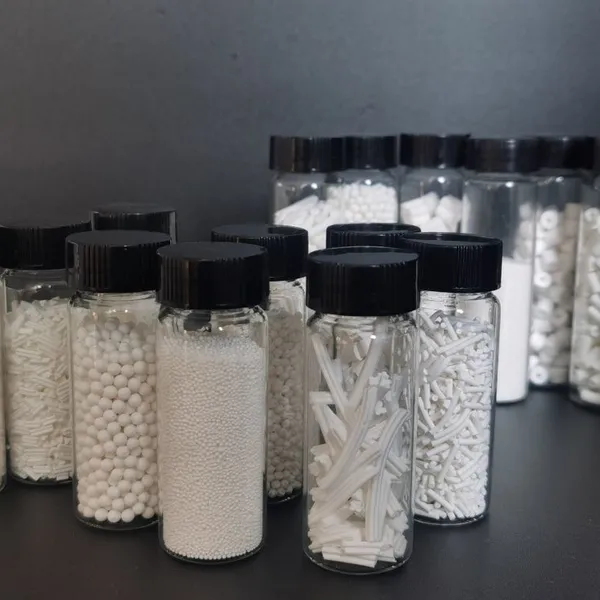
Microporous Pseudoboehmite/Small-Pore Pseudo BoehmiteUS$ 1750 - 2000MOQ: 50 Tons
-
HL-CP Type 3-lobe Alumina Catalyst CarrierUS$ 7800 - 8000MOQ: 10 Tons
-
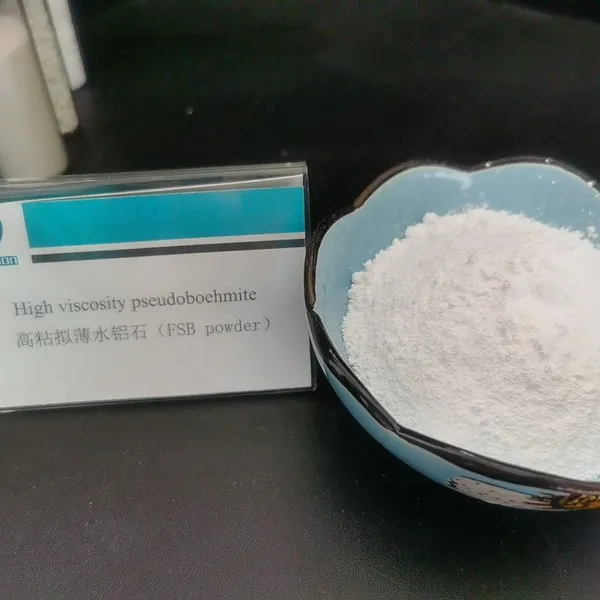
High Viscosity Pseudoboehmite FSB Pseudo BoehmiteUS$ 4000 - 5200MOQ: 50 Tons
-
Alumina Powder for CatalystUS$ 1750 - 2000MOQ: 50 Tons
-
HL-TS Type Dehydrogenation Catalyst CarrierUS$ 6350 - 6500MOQ: 10 Tons