 Business License

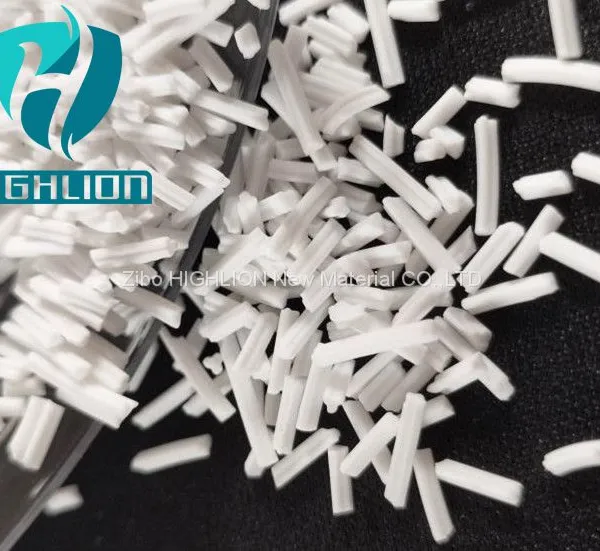
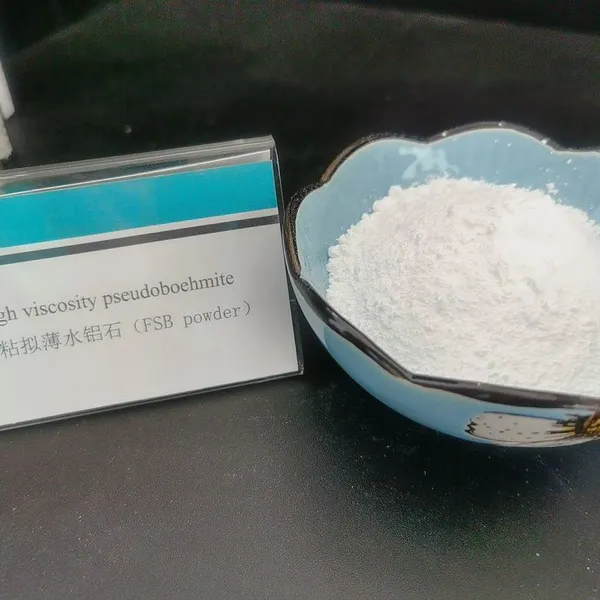
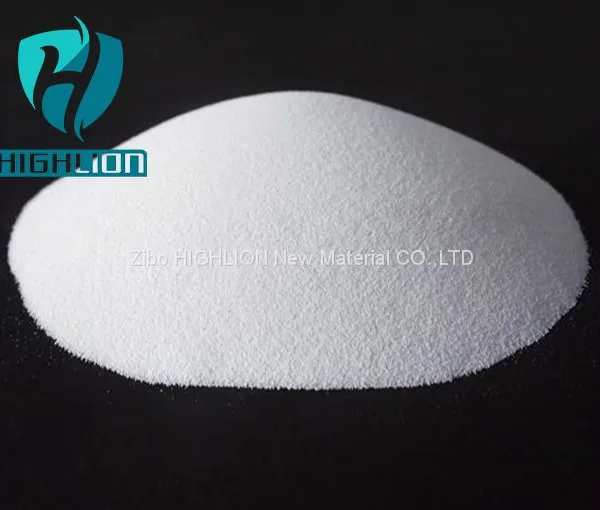
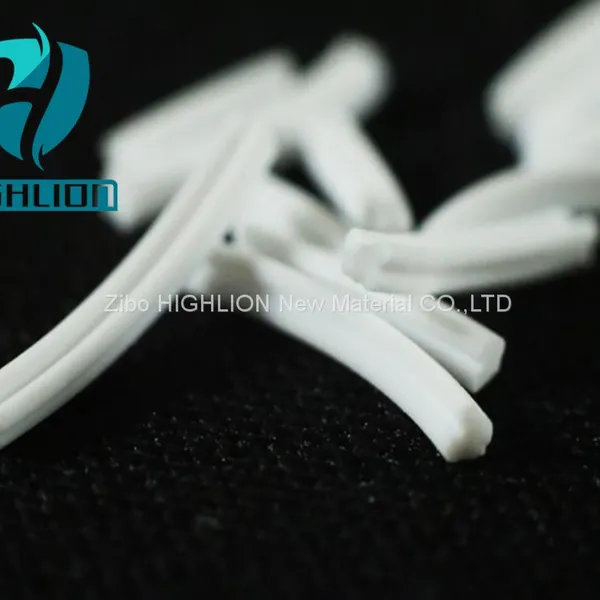
Macroporous Pseudo-boehmite series Microporous/Mesoporous/Macroporous
Advantages and Applications of Macroporous Pseudoboehmite
Macroporous pseudoboehmite (PB) exhibits significant advantages in various industrial fields due to its unique physicochemical properties, particularly in high-performance applications such as catalyst supports and adsorbent materials. Below is a detailed analysis of its core advantages and primary application areas.
I. Advantages of Macroporous Pseudoboehmite
Excellent Pore Structure and High Specific Surface Area
Macroporous PB typically has a pore volume of 0.8–1.5 cm³/g and a specific surface area of 350–400 m²/g, significantly higher than conventional PB (pore volume ≥ 0.3 cm³/g, specific surface area ≥ 250 m²/g). This structure facilitates the diffusion of macromolecules and the dispersion of active components, enhancing catalytic efficiency.
Innovative preparation methods (e.g., cross-flow rotating carbonization, pore-expanding agents) enable precise control of pore size distribution, forming concentrated and uniform mesoporous structures.
High Purity and Thermal Stability
Optimized processes (e.g., carbonization with additives) minimize impurities (e.g., Na₂O content ≤ 0.1%) and avoid the formation of byproducts like gibbsite, improving peptization index and crystallinity.
The pore structure remains stable even after high-temperature calcination into γ-Al₂O₃, making it suitable for high-temperature catalytic reactions.
Eco-Friendly and Cost-Effective Production
The carbonization method utilizes industrial sodium aluminate and CO₂ waste gas, offering readily available raw materials and low costs, aligning with green chemistry principles.
Compared to the alkoxide method (high cost, organic solvent pollution), carbonization is more suitable for large-scale industrial production.
Excellent Peptization and Binding Properties
Forms thixotropic gels under acidic conditions, facilitating uniform mixing with catalyst components as a binder and enhancing the mechanical strength of formed products.
II. Key Application Areas
Petrochemical Catalyst Supports
Heavy Oil Processing: High pore volume (> 0.8 cm³/g) promotes the diffusion of heavy oil macromolecules within catalysts, improving cracking efficiency (e.g., FCC catalysts).
Hydrogenation Catalysts: γ-Al₂O₃ supports derived from calcined PB optimize hydrodesulfurization and hydrodenitrogenation reactions due to their high surface area and tunable acidity.
Environmental and Adsorbent Materials
Wastewater Treatment: Composites with nano-zero-valent iron efficiently adsorb fluoride ions and organic pollutants.
Exhaust Gas Purification: Used as coating supports for automotive exhaust catalysts, converting harmful gases (e.g., NOₓ, CO) into harmless substances.
Advanced Material Preparation
Nano γ-Al₂O₃: Applied in chemical mechanical polishing (CMP) slurries for planarizing metal layers in integrated circuits.
Flame Retardancy and Ceramic Reinforcement: Serves as an additive in flame retardants or reinforcing phases in ceramic composites, enhancing heat resistance and mechanical properties.
Other Industrial Applications
Binders: Improves the strength of molecular sieves and refractory materials during forming.
Coating Materials: Applied to cordierite honeycomb ceramic supports to increase surface area for active component loading.
III. Technological Development Trends
Innovative Preparation Methods: Techniques like supergravity carbonization and pH swing methods further optimize pore size distribution and aluminum recovery rates.
Composite Modification: Pore structure tuning via surfactants or solvent displacement meets specific application requirements.
With its tunable structure, high activity, and environmental adaptability, macroporous pseudoboehmite has become an "invisible champion" in petrochemicals, environmental science, and materials engineering. As demand for heavy feedstock processing grows, its application potential will continue to expand.
Recently Posted
-
Our package for Pseudo boehmite
July 3, 2025Packaging and Storage Guide for Pseudoboehmite: Key Factors to Ensure Product QualityPseudoboehmite (PB), as a crucial catalyst pr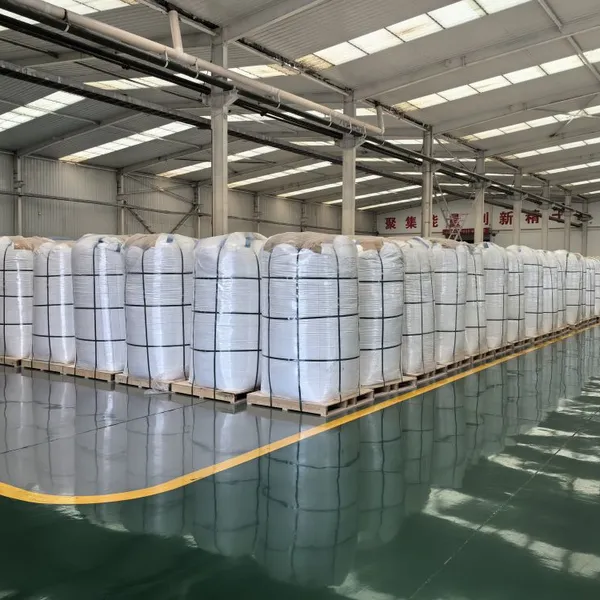 Read More
 -
Microporous Pseudo-boehmite series Microporous/Mesoporous/Macroporous
July 3, 2025Advantages and Applications of Small-Pore PseudoboehmiteSmall-pore pseudoboehmite (PB), characterized by pore sizes typically belo Read More
 -
Mesoporous Pseudo-boehmite series Microporous/Mesoporous/Macroporous
July 3, 2025Advantages and Applications of Mesoporous PseudoboehmiteMesoporous pseudoboehmite (PB) is a highly versatile alumina precursor wit Read More
 -
Our package for alumina carriers
July 2, 2025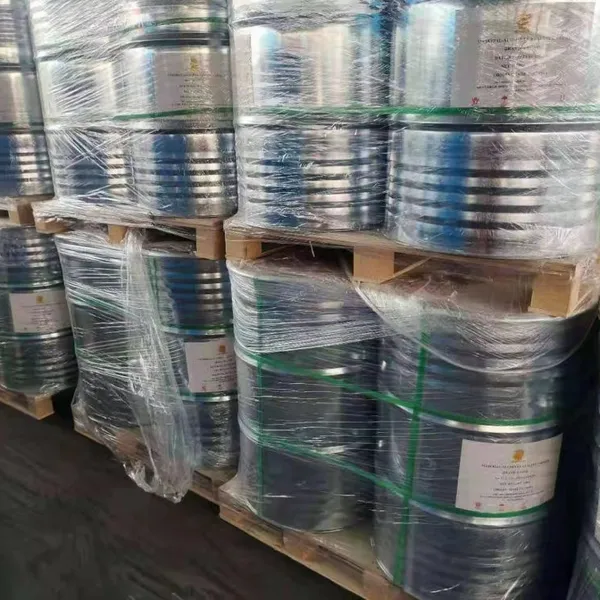 Read More

Contact Us
Recommended Products
-
 1.6-1.8 Sphere Alumina Catalyst Support Gamma Alumina Sphere/ Ball / Oil Drop BallUS$ 6350 - 6500MOQ: 1 Ton
 -
1.6-1.8 Sphere Alumina Catalyst Support Gamma Alumina Sphere/ Ball / Oil Drop BallUS$ 6350 - 6500MOQ: 1 Ton
-
Gamma-Alumina Extruded Trilobular Catalyst SupportUS$ 6300 - 6500MOQ: 1 Ton
-
Alumina Powder as CatalystUS$ 1750 - 2000MOQ: 50 Tons
-
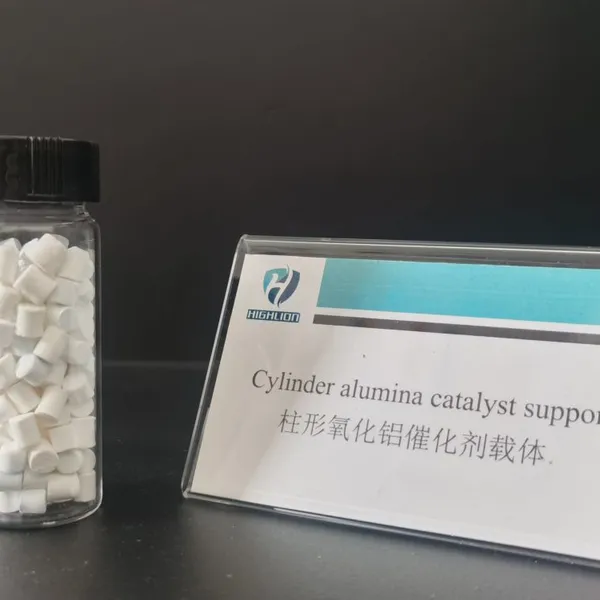
Gamma Alumina Catalyst Carrier/supportUS$ 6500MOQ: 1 Ton
-
Microporous Pseudoboehmite/Small-Pore Pseudo BoehmiteUS$ 1750 - 2000MOQ: 50 Tons
-
HL-CP Type 3-lobe Alumina Catalyst CarrierUS$ 7800 - 8000MOQ: 10 Tons
-
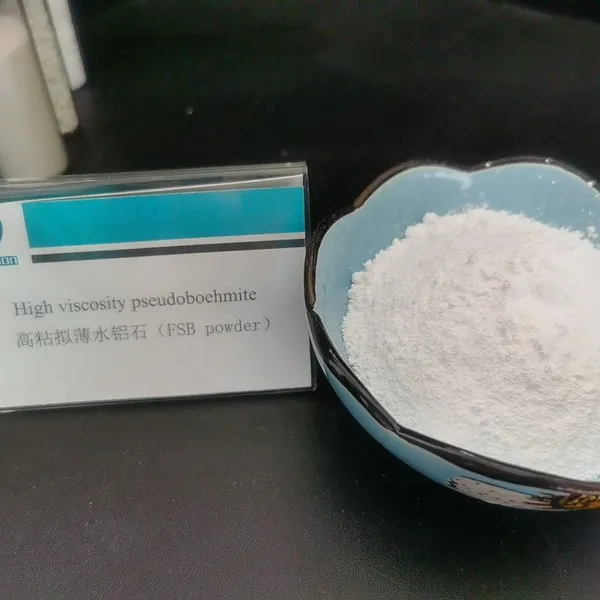
High Viscosity Pseudoboehmite FSB Pseudo BoehmiteUS$ 4000 - 5200MOQ: 50 Tons
-
Alumina Powder for CatalystUS$ 1750 - 2000MOQ: 50 Tons
-
HL-TS Type Dehydrogenation Catalyst CarrierUS$ 6350 - 6500MOQ: 10 Tons